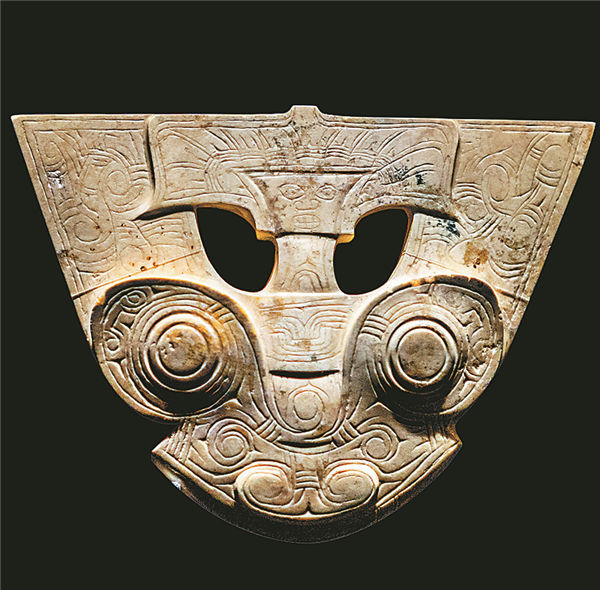
Liangzhu Jade Culture
Introduction
The Liangzhu Jade Culture is a defining aspect of the Neolithic civilization that once thrived in the Yangtze River Delta region of China, specifically in what is now Zhejiang province. Dating back approximately 5,300 to 4,300 years ago, the Liangzhu culture is notable for its highly developed society, which displayed early forms of statehood centered around the ancient city of Liangzhu. The civilization is particularly renowned for its sophisticated jade artifacts, which played a significant role in the society's religious and ceremonial activities.
The Archaeological Ruins of Liangzhu City in Hangzhou were inscribed onto the UNESCO World Heritage list, which recognizes the significance of the site as an indicator of the early stages of Chinese civilization.
Historical Context
The Liangzhu culture emerged during the late Neolithic period and represents one of the earliest examples of urban civilization and state formation in ancient China. The heart of this culture was the ancient city of Liangzhu, located in present-day Zhejiang province. This area was characterized by advanced agriculture, with rice cultivation being a significant part of the economy, and an intricate system of waterways that facilitated trade and communication.
Jade Artifacts and Rites
Jade played a central role in Liangzhu society, serving not only as a material for crafting exquisite jewelry and tools but also as a medium for spiritual and ritualistic practices. The jade artifacts from Liangzhu are noted for their craftsmanship and complexity. They include a variety of objects such as cong (tubular jade objects), bi (disc-shaped jade objects) and various ceremonial tools, which are believed to have been used in rituals associated with religious worship and governance.
The use of jade in Liangzhu culture was not merely decorative; it was deeply symbolic. Jade artifacts were likely used in ceremonies to signify power and authority, and they may have been involved in burial practices, indicating the belief in an afterlife or spiritual continuation. The presence of jade objects in tombs of individuals of high status suggests a highly stratified society where jade was a marker of social hierarchy and prestige.
Archaeological Significance
The archaeological site of Liangzhu offers invaluable insights into the social, political and religious aspects of this ancient civilization. Excavations have uncovered an array of jade objects, pottery, stone tools and the remnants of large-scale wooden structures. These findings indicate a well-organized society with complex social structures, advanced techniques in agriculture and craftsmanship, and a profound spiritual life centered on jade.
The discovery of Liangzhu's hydraulic engineering, including an extensive system of dams and water channels, reflects the society's sophistication in environmental management and urban planning. This infrastructure would have supported their agricultural needs and protected against flooding, showcasing their ingenuity in adapting to and thriving within their environment.
Cultural Influence and Legacy
The influence of the Liangzhu jade culture extended beyond its immediate geographical boundaries, as evidenced by the spread of jade artifacts to regions such as Shanxi. This suggests that Liangzhu was part of a broader network of cultural exchange during the Neolithic period. The intricate jade carvings and the ceremonial significance attached to these objects highlight the cultural and technological advancements of the Liangzhu people.
In contemporary times, the significance of the Liangzhu jade culture is recognized globally, with exhibitions and academic research shedding light on this ancient civilization. Such endeavors help preserve the heritage and foster appreciation for the artistry and cultural achievements of the Liangzhu civilization.








